
Strategic Capability. Human-Centric Culture.
Defining you as the bridge between business strategy and human potential.
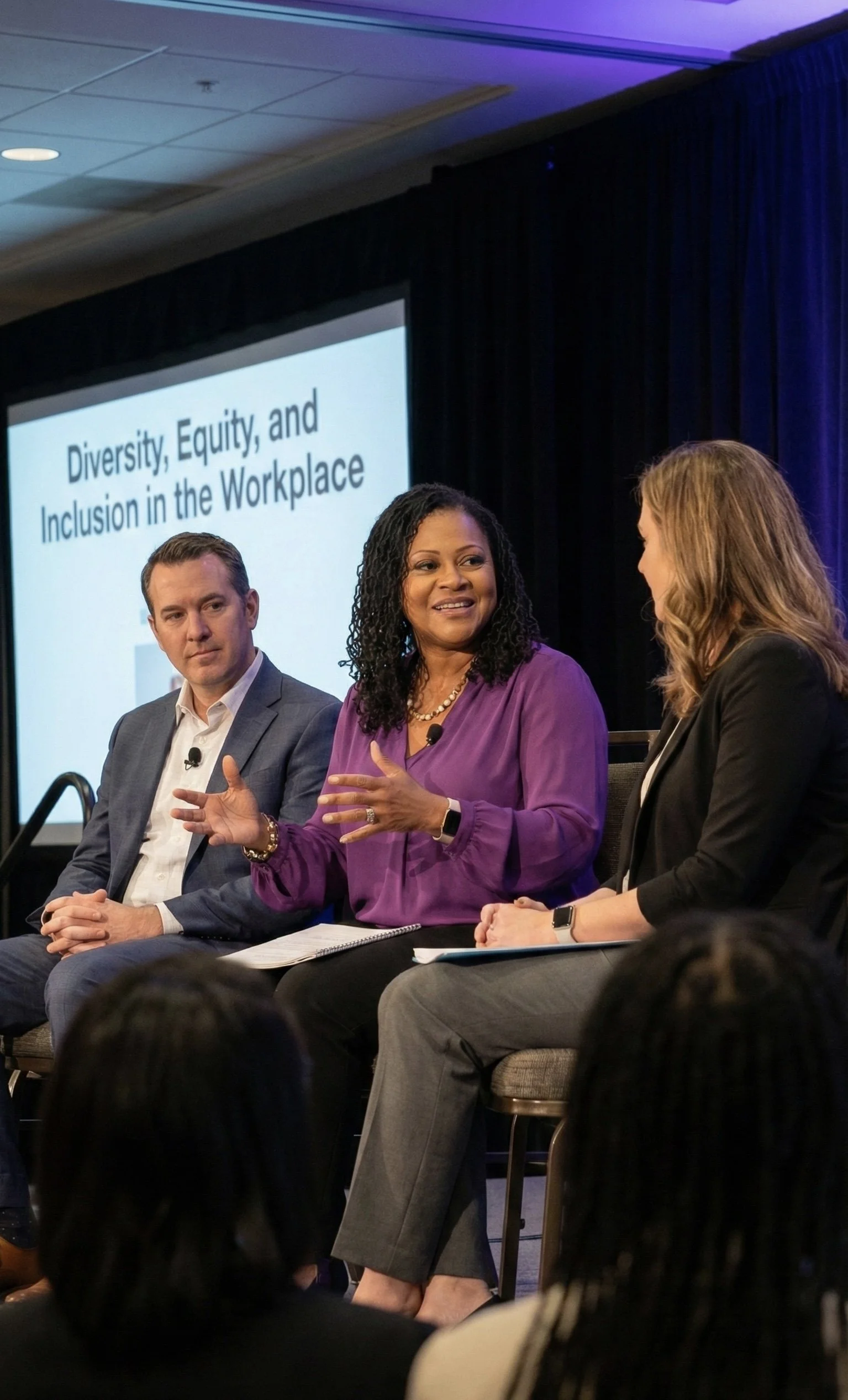
I bridge the gap between high-level business strategy and the human element of leadership. With over 25 years of experience as a Transformational HR Executive, I design enterprise leadership frameworks that do more than just train—they transform.
My approach aligns organizational design with culture renewal, ensuring that leaders are equipped to drive revenue while fostering resilient, highly engaged teams. From upskilling HR functions to architecting remote workforce models, I build the infrastructure where talent thrives and businesses succeed.
Case Studies
Leadership Approach


Tactical Support to Strategic Advisory
The Challenge: A large HR function (40+ professionals) was operating in a transactional capacity, limiting their ability to drive business value. The Strategy: I led a functional transformation focused on upskilling the entire team, including 7 Associate Directors. Through targeted coaching and development, we shifted the operating model to prioritize strategic partnership over administrative tasks. The Impact:
Empowered Leadership: The team successfully transitioned to a Strategic Advisory model.
Operational Excellence: This shift allowed for the execution of complex organizational redesigns and data-driven retention strategies without service disruption.
The Mock Trial: Leadership Under Cross-Examination
The Challenge: Many leaders view documentation as administrative busywork, failing to realize that in a high-risk regulatory environment, "if it isn't written down, it didn't happen." The organization needed a way to drastically improve investigation standards and reduce legal exposure without relying on dry compliance lectures.
The Solution: I designed a hyper-realistic "Mock Court" Simulation. In this immersive workshop, leaders were placed in a simulated courtroom setting where they had to defend their real-life management decisions and terminations.
The Experience: Leaders faced "cross-examination" regarding their employee handling. They experienced firsthand the sinking feeling of being unable to justify a termination because their documentation was vague, inconsistent, or non-existent.
The Lesson: The simulation shifted the mindset from "checking boxes" to "protecting the business," emphasizing that effective leadership requires fairness, consistency, and proof.
The Impact:
Immediate Behavior Change: Leaders emerged with a newfound respect for the "why" behind HR protocols, leading to a standardization of investigations across the footprint.
Risk Mitigation: The initiative contributed to a rigorous governance framework that ensured 100% regulatory compliance and significantly mitigated enterprise risk.
Promoting Without Preparation is a Risk

In my 25+ years as a Transformational HR Executive, I witnessed a recurring pattern in even the most successful Fortune 30 organizations: high-potential individual contributors were promoted into leadership roles without the architectural support they needed to succeed. The result? "Accidental leaders" who struggled to manage teams, leading to operational disruption and disengagement.
I saw clearly that placing the wrong leader—or the right leader without the right tools—was the single biggest risk to business continuity. I created The HR Strategy Studio to stop this cycle. My training isn't just about "soft skills"; it is about building a rigorous Leadership Capability Model that ensures leaders are operationally ready before they step into the role.
A Data-Driven Methodology
My approach to New Leader Training was born in the trenches of high-stakes corporate environments. At Verizon, I didn't just guess at what leaders needed; I engineered it.
Capability Modeling: I designed an enterprise-wide leadership capability model that became the corporate standard, defining exactly what "ready" looks like for Director-level roles.
Predictive Insight: I utilized AI-driven analytics to identify at-risk talent and skills gaps before they impacted the bottom line, ensuring that development was targeted and effective.
Standardized Expectations: I built unified performance management frameworks to standardize leadership expectations, reducing the ambiguity that often leads to employee relations escalations.